
 Generated with Grok
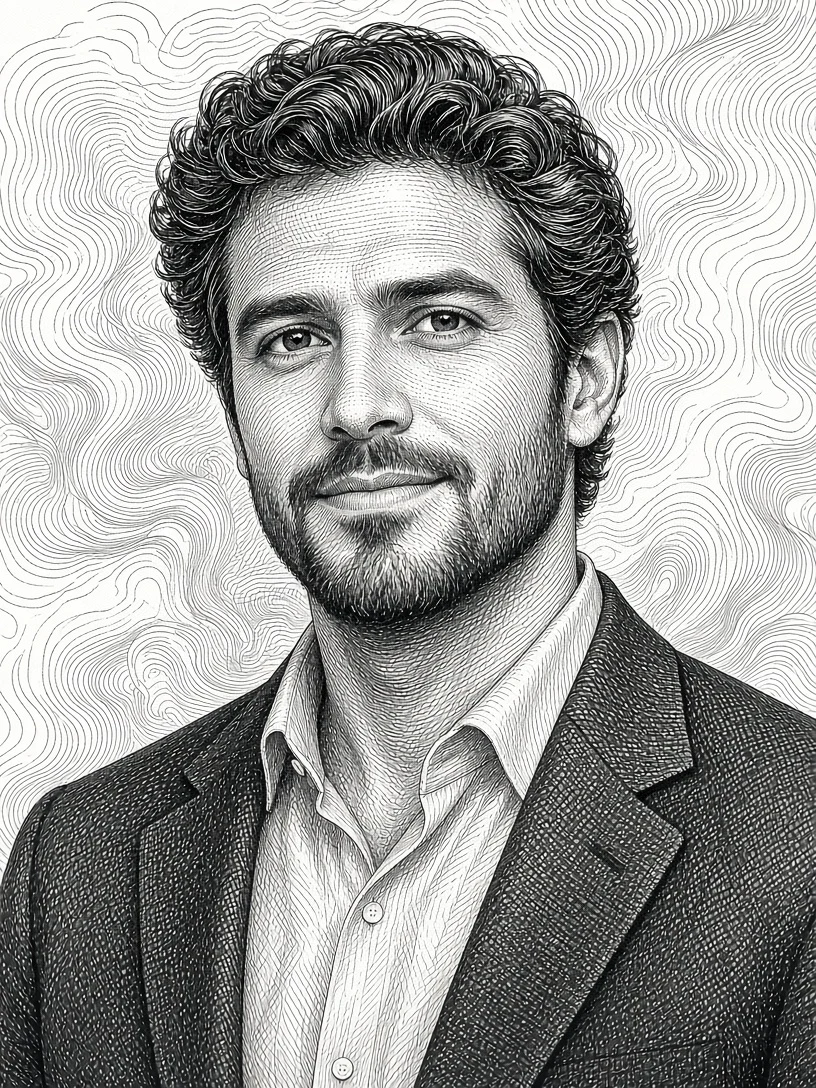
Actual generation · grok-imagine-image-2.0 · 3:4 · 1K · AI-generated, not a real photograph
Download image for freeVisual Art
Waves of Thought
Visual Art images and AI prompts, organized by subject and creative use.
Collections
Suggested canvas 3:4
Suggested model · Grok Imagine 2.0
English prompt
Full prompt
Create a premium, ultra-detailed monochrome line-art portrait of the uploaded subject in a dense hand-drawn engraving and topographic contour style. The final image must look like a luxury editorial portrait illustration, not a simple vector sketch. Create a tight bust-length portrait in a vertical composition, with the subject filling most of the frame from the upper chest to the head. Keep the head large and prominent. Center the subject in a subtle three-quarter pose while keeping the face mostly front-facing. The head is upright, posture composed, shoulders relaxed, and the overall mood is calm, confident, elegant, and refined. Keep the expression calm, confident, pleasant, composed, and naturally self-assured. The subject should not look sad, tired, angry, melancholic, or emotionally heavy. The eyes look softly forward or slightly off-camera with an alert, dignified presence. Lips are closed with a neutral-to-subtle pleasant expression, never downturned. Adapt the facial structure naturally to the uploaded subject, suitable for any person of any age. Preserve the person’s natural face shape, hairstyle, facial hair if present, brow shape, nose structure, lips, jawline, ears, and overall personality. Do not beautify the subject into a generic model or make the subject younger, older, sadder, or more stylized than necessary. Sculpt the entire face with dense, flowing cross-contour lines that wrap around the anatomy like topographic map lines. Use line direction and spacing to describe the forehead, brow ridge, eyelids, under-eye area, nose bridge, nostrils, cheeks, lips, chin, jawline, neck, and subtle expression lines. Create dimensional form using only black line density: tighter spacing for shadows and wider spacing for highlights. Use no solid black fills and no grayscale shading. Make the eyes a sharp focal point. Render the eyelids, pupils, iris details, under-eye contours, and brow structure with precise black ink linework. The eyes should feel alive, calm, and naturally expressive, never blank or cartoonish. Render the subject’s natural hairstyle with extremely dense, layered ink strands. Show directional flow, volume, hair mass, crown structure, side texture, hairline, and individual curved strand groups. Use darker, tighter line clusters in shadowed hair areas while avoiding flat black fills. Dress the subject in a structured tailored blazer or formal jacket over an open-collar button-up shirt, regardless of the original casual clothing. The outfit should feel refined, timeless, and editorial. Show clear lapels, jacket seams, collar folds, shirt opening, fabric tension, shoulder structure, and chest-level garment detail. Render the blazer and shirt with dense engraving-style hatching and crosshatching to create a premium woven-fabric texture. The clothing must look formal and detailed, not like a sweater or plain T-shirt. Use a clean white background with abstract, flowing contour-line formations around the head and shoulders. The lines may suggest smoke, vapor, organic waves, or topographic currents, but they must remain secondary to the portrait. Let them blend naturally around the hair and shoulders while keeping the background elegant, minimal, spacious, and not empty. Use ultra-fine black ink strokes with subtle line-weight variation. Combine continuous contour lines, fingerprint-like grooves, engraved hatching, and sculptural cross-contour mapping. Build the portrait entirely through black line density, spacing, rhythm, and curvature, with substantially more fine lines on the face, hair, jacket, and shirt than in a simple outline drawing. The artwork should feel like a master engraving combined with modern generative topographic line art: realistic, intricate, elegant, hypnotic, and editorial. Avoid a simple vector portrait, sparse linework, a small subject, excessive torso, casual sweater clothing, flat black fills, grayscale shading, sad or angry expressions, a background more detailed than the face, cartoon, anime, caricature, minimal logo-style art, or simplified hair, face, blazer, or shirt.
How to adapt this brief
Visual Art images and AI prompts, organized by subject and creative use.
Browsing and copying are free. Generation uses account credits with a quote before submission. Model, language and randomness affect output; exact reproduction is not guaranteed.
Explore related scenes
Generated with Grok
 Generated with Grok
 Generated with Grok
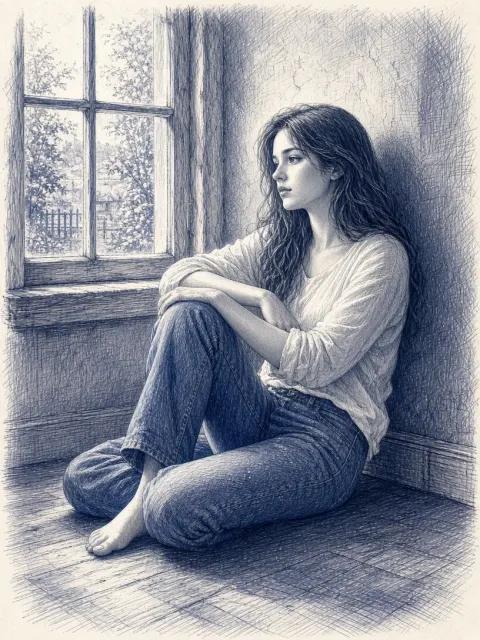 Generated with Grok
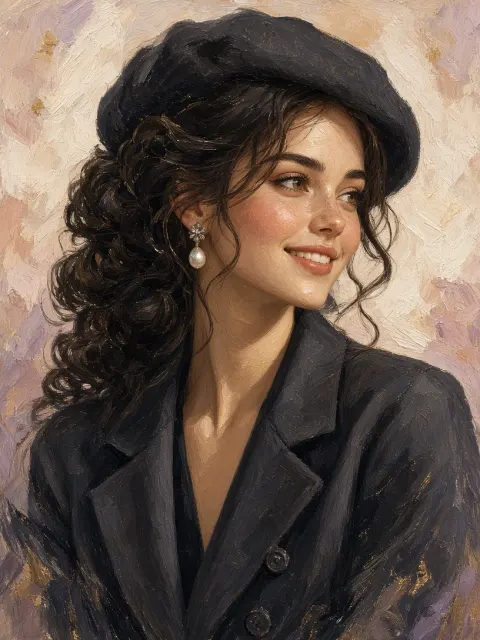 Generated with Grok
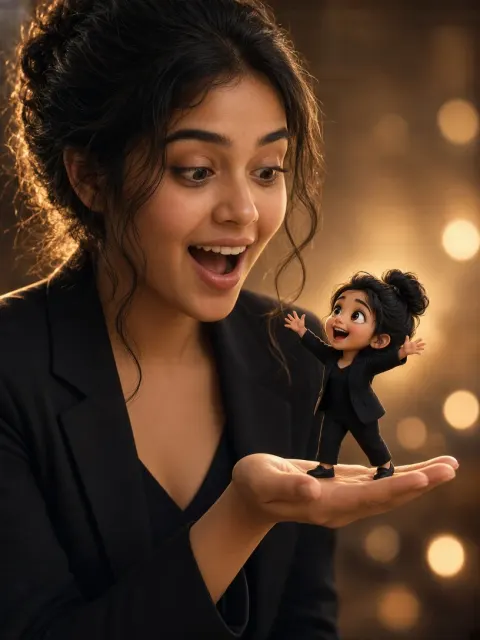 Generated with Grok