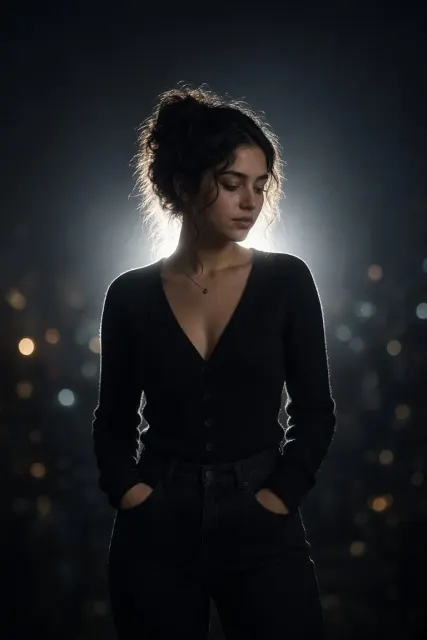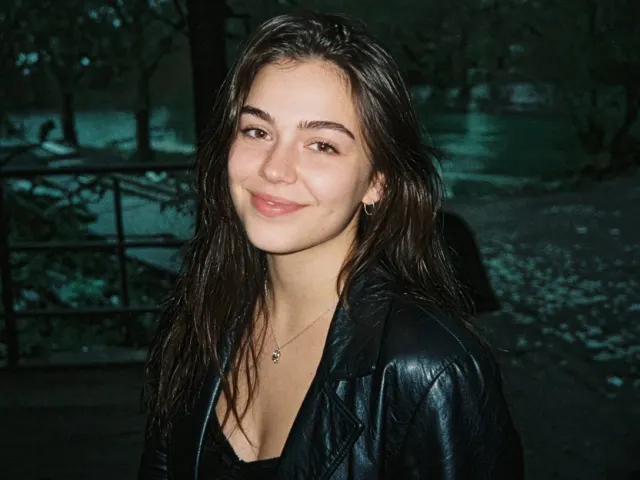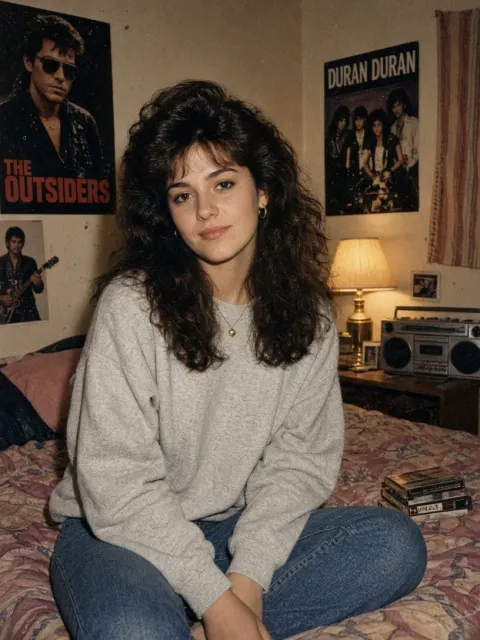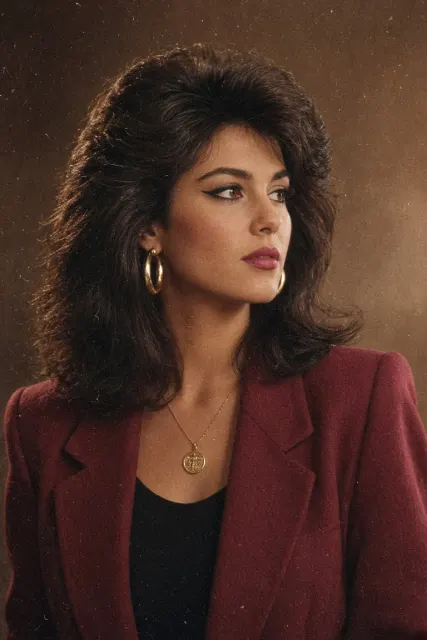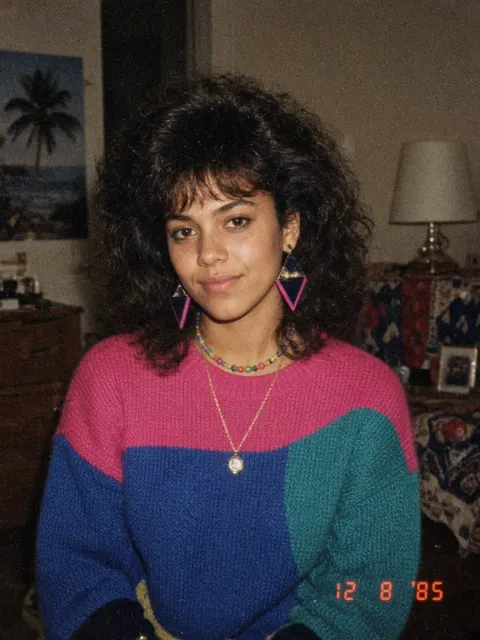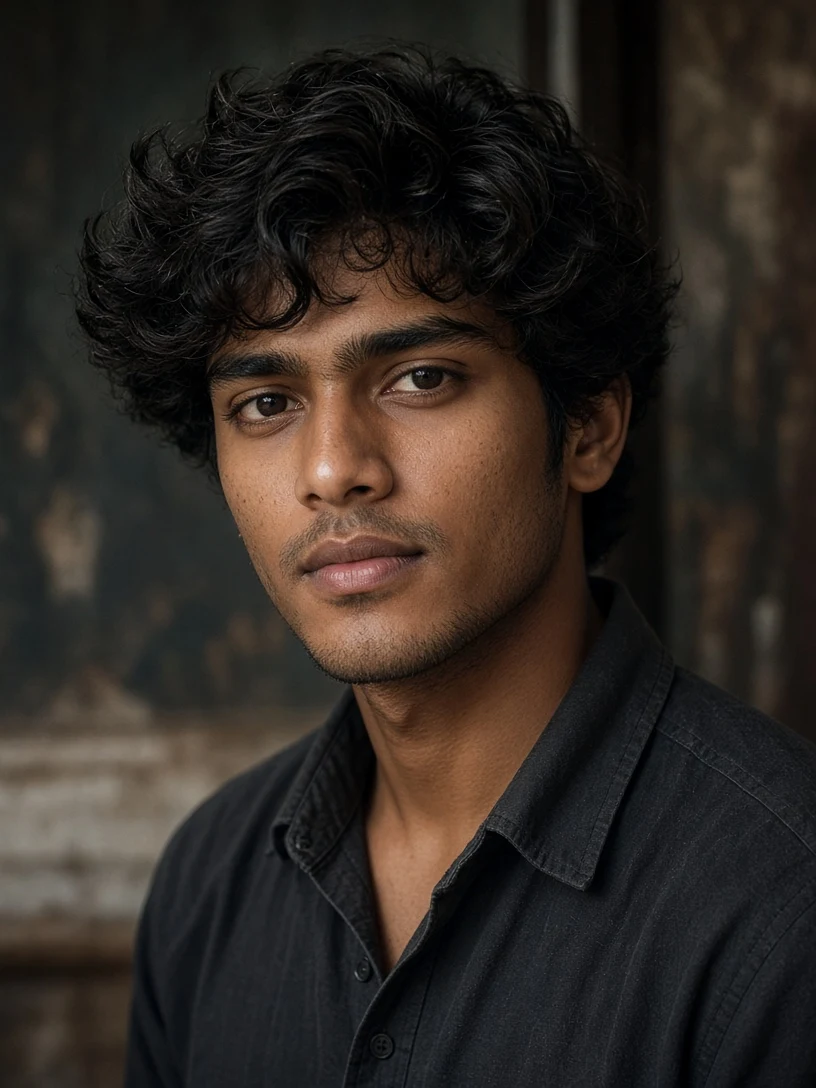
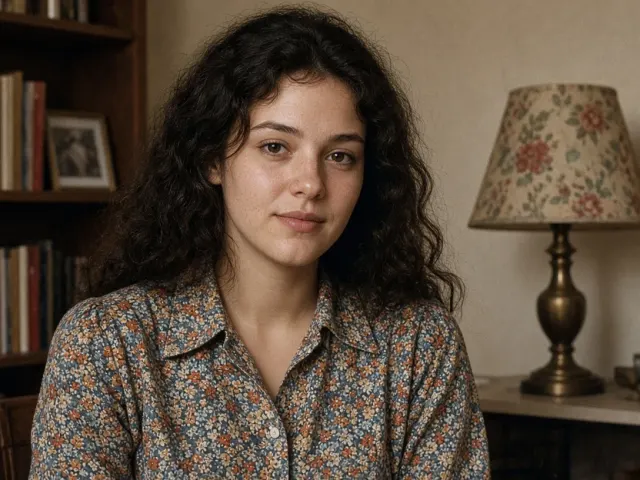
 Generated with Grok
Old Photo Restoration
AI Photo Editing · Editing · Old Photo Restoration · Photo Enhancement
Restore the source photograph while strictly preserving facial geometry, body proportions, identity, original aspect ratio, framing, semantic positioning, and all existing objects. Target identity similarity ≥ 0.95. Reconstruct natural macro epidermal texture, visible skin pores, textile weaves, and era-specific surface details; avoid "plastic" smoothing. First assess whether the source is real, synthetic, or ambiguous, and estimate overall damage on a 0–100 scale with regional confidence (RC). For RC ≥ 70, use context-guided high-detail reconstruction. For RC 30–69, perform coarse-to-medium structural restoration with zero semantic invention. For RC < 30, use only era-consistent silhouette and texture filling. Apply area-based reconstruction constraints: under 10% damage uses guided inpainting, 10–40% uses structural geometry synthesis, and over 40% uses a texture-only pass. Never invent, remove, or alter meaningful objects or identifying marks. Maintain rigorous vanishing-point alignment, scale, geometric continuity, and physical plausibility. Validate reconstructed areas against surrounding geometry and revert to "Safe Fill" if the physics check fails. Restore chiaroscuro-level lighting depth while preserving the original shadow direction and luminance gradients. Reconstruct physically accurate material reflectance, including appropriate specular highlights and matte finishes. Recover faded colors with an era-appropriate palette and controlled HDR tonal range, retaining vintage warmth, analog character, and spectral color fidelity. Apply sub-pixel deconvolution, motion-blur neutralization, chromatic-aberration correction, and multi-stage 4x-or-greater super-resolution with anti-artifact refinement. Separate sensor noise from compression artifacts, remove degradational "noise.", and preserve the original analog grain structure. Preserve metadata and EXIF information when possible. Intended output: lossless 16-bit PNG or TIFF in archival and sRGB color spaces, with no watermarks, logos, or altered identifying marks.