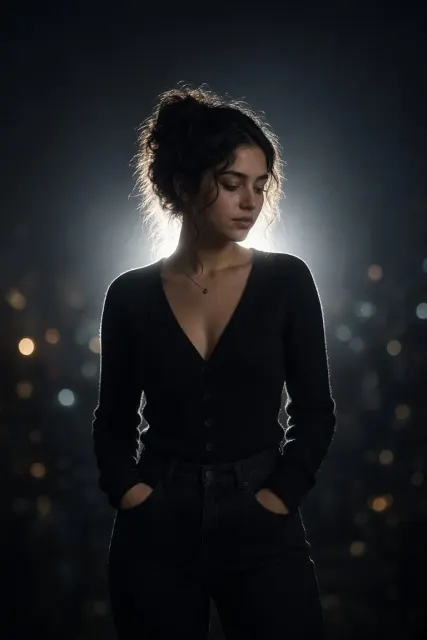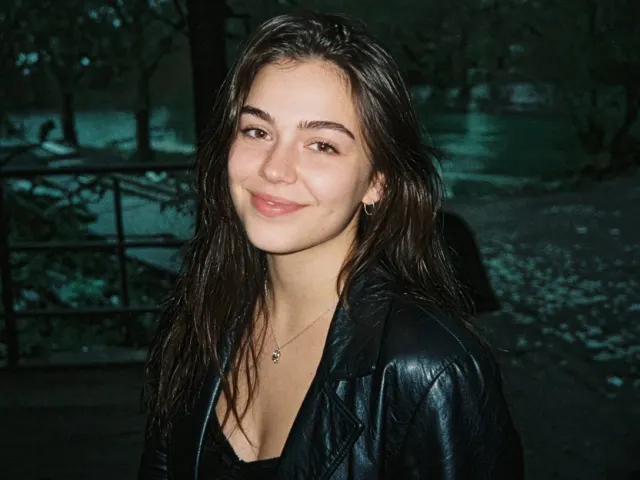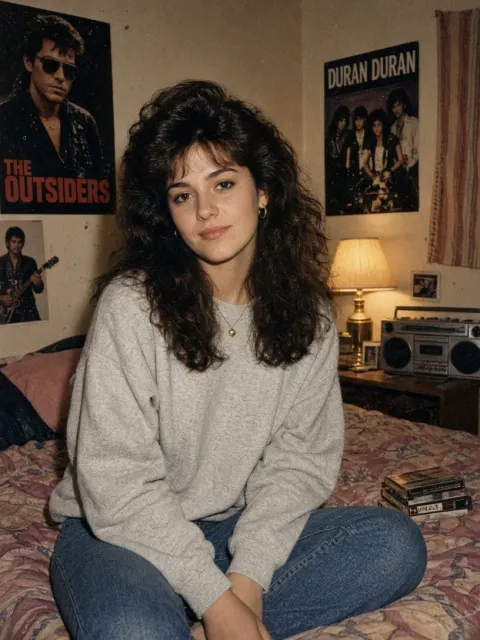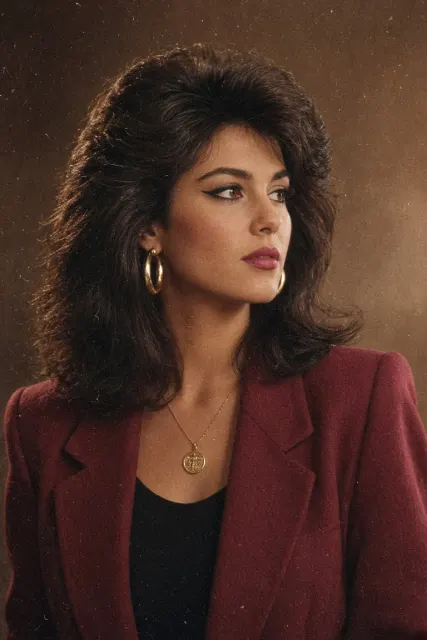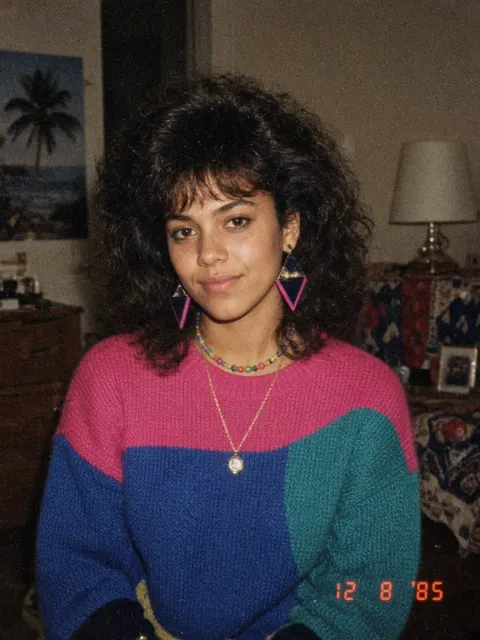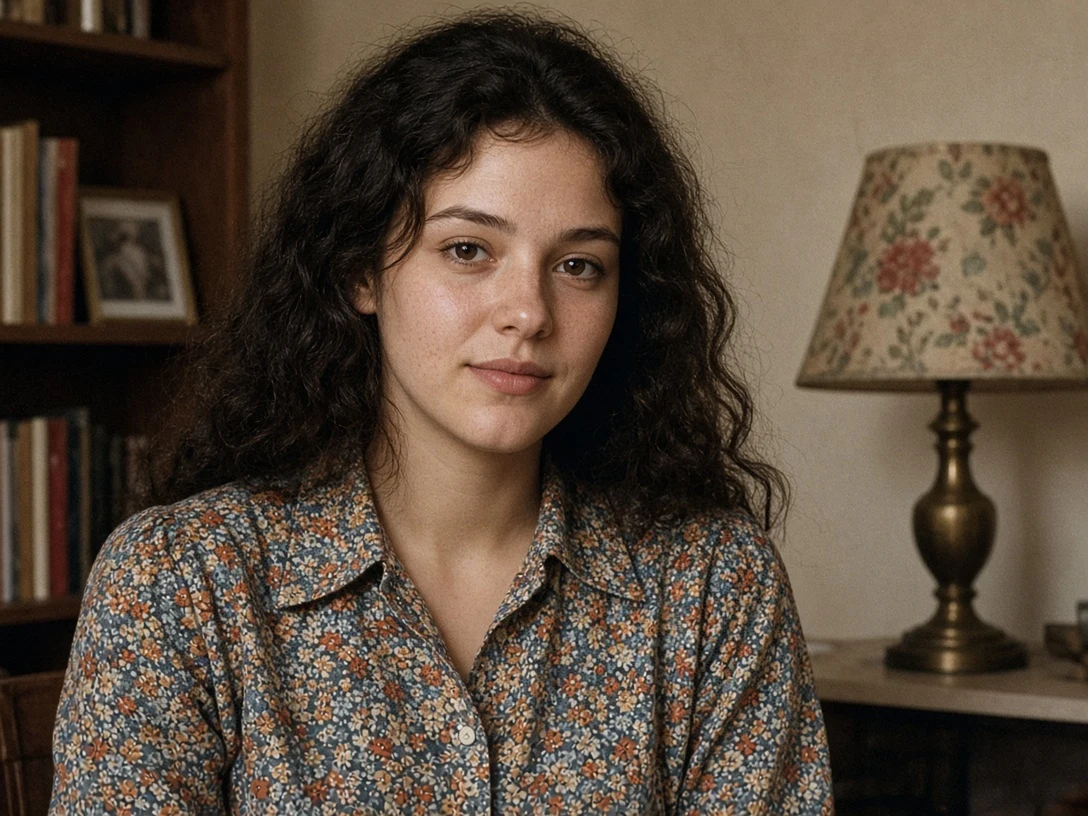
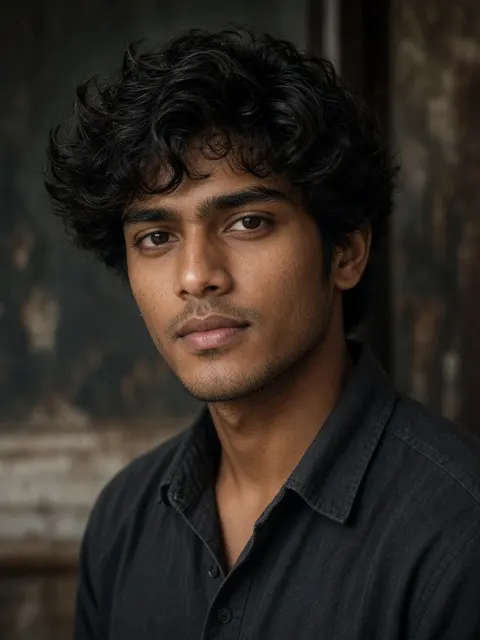
 Generated with Grok
Blurry to 4K AI Upscale
AI Photo Editing · Old Photo Restoration · Photo Enhancement · AI Retouching
Enhance the portrait while preserving the subject’s exact identity. Maintain accurate facial structure, proportions, and natural features. Do not alter the face shape, expression, or identity. Apply only subtle cleanup to improve clarity while keeping the person fully recognizable. Keep the original background exactly as it is. Do not replace, modify, or add anything. Preserve the environment, framing, and composition unchanged. Refine the image with a premium full-frame camera look, similar to a Sony A1 with an 85mm f/1.4 lens. Use shallow depth of field with sharp focus on the face and smooth, natural background blur. Maintain realistic lens behavior and natural perspective without changing the original scene. Match the original lighting direction and mood, refining it into a cinematic, subject-focused look with soft directional light, gentle contrast, controlled highlights, and clean shadows. Avoid harsh lighting and artificial glow. Preserve natural skin texture and fine detail. Avoid over-smoothing or a plastic appearance. Use balanced color tones, subtle cinematic contrast, and realistic saturation. The result should feel like a high-end editorial portrait with improved clarity, depth, and tonal range while keeping the original scene and identity fully intact. Negative constraints: Do not change the background. Do not alter the face or expression. No artificial glow or over-processing. No unrealistic lighting. No skin smoothing or texture loss.